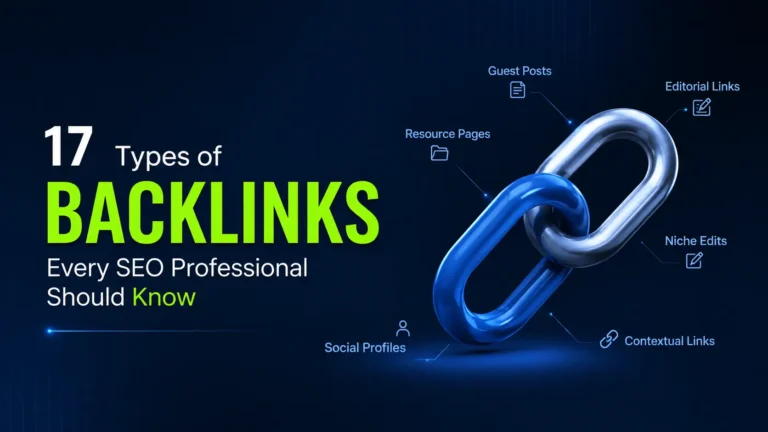

17 Types of Backlinks Every SEO Professional Should Know
Backlinks remain one of the strongest ranking signals in search engine optimization (SEO). However, not every backlink provides the same value. Some links help search engines understand your website’s authority and relevance, while others contribute little or may even harm your rankings if they come from spammy sources.
Understanding the different types of backlinks allows you to build a stronger SEO strategy, earn higher-quality links, and avoid practices that violate search engine guidelines. Whether you’re a beginner learning SEO or a business owner planning a link-building campaign, knowing which backlinks deserve your attention can save time and improve long-term results.
In this guide, you’ll learn how backlinks work, why they matter, and the most important backlink types every website owner should know.
What Are Backlinks?
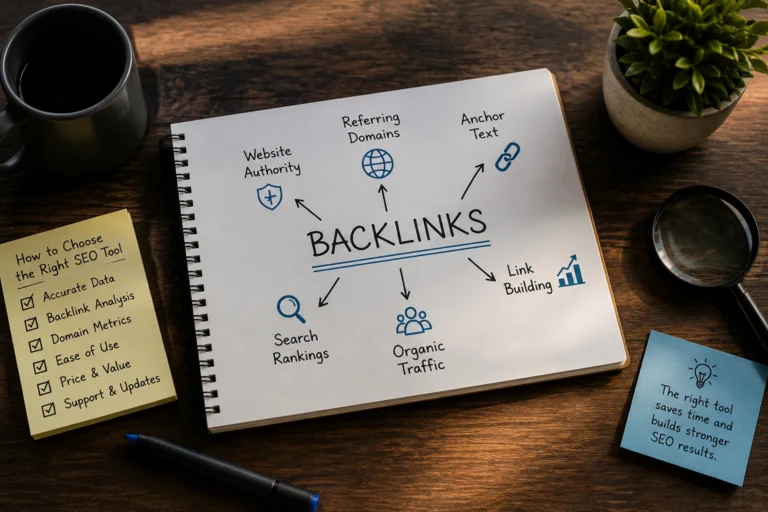
A backlink is a hyperlink from one website that points to another website. Search engines treat backlinks as signals of trust and authority. When a reputable website links to your content, it indicates that your page offers useful information worth referencing.
For example, if a technology blog links to your article about artificial intelligence tools, that hyperlink becomes a backlink for your website. Search engines use these connections to discover new pages, understand relationships between websites, and evaluate content quality.
Although backlinks are important, search engines no longer reward websites simply because they have the largest number of links. Modern SEO focuses on earning links from relevant, trustworthy websites that naturally fit within the content.
How Do Backlinks Work?
Every backlink passes a certain amount of value from one page to another. This value, often called link equity, helps search engines determine how authoritative a page may be.
When a trusted website links to your content, search engines view that recommendation as a positive signal. If multiple reputable websites reference the same page, its chances of ranking well for relevant search queries generally increase.
However, backlinks are evaluated using many factors beyond quantity. Search engines also consider the authority of the linking website, the link’s topical relevance, its placement within the content, and whether it appears naturally. One relevant backlink from a respected industry site can be more valuable than dozens of low-quality backlinks.
🔥 Read Next:: What Is Software RCSDASSK? Everything Beginners Need to Know
Why Are Backlinks Important for SEO?
Backlinks play a significant role in helping websites grow their organic visibility. They help search engines determine whether your content deserves to rank above competing pages covering similar topics.
One of the biggest advantages of backlinks is improved authority. When respected websites consistently reference your content, search engines gain greater confidence in your expertise.
Backlinks also help search engines discover new pages more efficiently. If an established website links to a recently published article, search engine crawlers can find and index that content much faster.
Beyond rankings, backlinks can generate targeted referral traffic. Visitors who click a relevant link are often genuinely interested in your content, making them more likely to engage with your website or become customers.
Most importantly, high-quality backlinks contribute to long-term SEO growth. Unlike paid advertisements that stop producing results once the budget ends, authoritative backlinks can continue supporting rankings for months or even years.
Why Understanding Different Types of Backlinks Matters
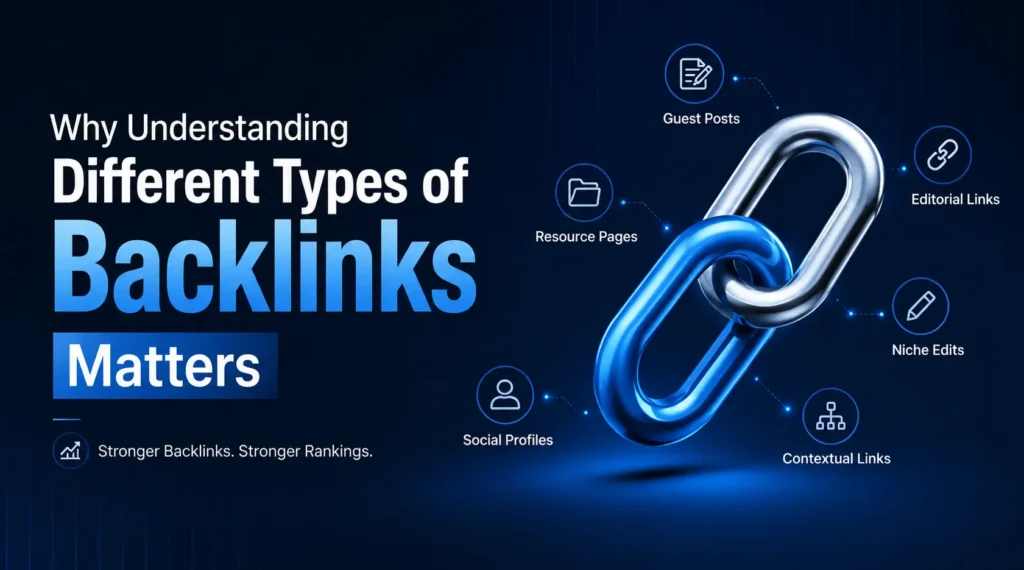
Many people assume all backlinks have the same impact on SEO, but that’s far from the truth. Some backlinks strengthen your website’s authority, while others offer little value or may even create unnecessary risk.
Learning the different backlink types helps you focus your efforts where they matter most. Instead of chasing hundreds of random links, you can prioritize opportunities that are relevant to your industry and capable of delivering lasting SEO benefits.
Understanding backlink types also helps you evaluate agencies or freelancers offering link-building services. If you know the difference between editorial backlinks, guest posts, niche edits, and spammy directory links, you’re less likely to invest in tactics that produce poor results.
A diverse backlink profile is another reason this knowledge matters. Websites that naturally earn links from different trusted sources generally appear more credible than those relying on a single acquisition method. This diversity creates a healthier and more sustainable SEO foundation.
Finally, understanding the types of backlinks makes competitor analysis more effective. By identifying where successful competitors earn their strongest links, you can discover similar opportunities while building a more strategic outreach campaign.
Types of Backlinks
Backlinks can be classified in several ways, including how they are earned, where they come from, and the SEO value they provide. While dozens of backlink categories exist, only a handful consistently contribute meaningful authority and rankings.
Some backlinks are earned naturally because other websites genuinely find your content valuable. Others require outreach, collaboration, or digital PR efforts. Certain backlink types primarily support branding and referral traffic, while others directly strengthen your website’s authority.
The following sections explain the most important backlink types in detail, including how each works, when to use it, and the SEO value it can provide. Understanding these differences will help you build a backlink profile that supports sustainable organic growth rather than relying on outdated link-building tactics.
Editorial Backlinks
Editorial backlinks are widely considered the most valuable type of backlink in SEO. They are earned naturally when another website links to your content because it provides useful information, original research, or a valuable resource. Since these links are given voluntarily rather than requested or purchased, search engines view them as strong indicators of credibility.
For example, a marketing blog may reference your SEO guide while explaining keyword research, or a news website might cite your original data in an industry report. In both cases, the link exists because your content adds value to the reader.
Earning editorial backlinks usually requires publishing high-quality content that answers important questions or offers unique insights. Although they are difficult to obtain, they often deliver the greatest long-term SEO benefits.
Guest Post Backlinks
Guest post backlinks come from articles you write for another website within your industry. Most reputable websites allow contributors to include one or more relevant links to their own content when it adds value to the article.
Guest posting remains an effective link-building strategy when the focus is on quality rather than scale. Publishing on authoritative, niche-relevant websites helps build trust, expand your audience, and earn contextual backlinks from pages that search engines already recognize.
The best guest post backlinks appear naturally within the content and point readers to resources that support the topic being discussed. Publishing low-quality articles solely to obtain links, however, offers little value and may violate search engine guidelines if done excessively.
Niche Edit Backlinks
Niche edits, also known as link insertions, involve adding your link to an existing article rather than publishing a new one. Since the content is already indexed and may have established authority, these backlinks can begin contributing SEO value more quickly than newly published guest posts.
For example, if a website has an article about email marketing tools, the owner might add a link to your guide explaining email automation because it improves the article for readers.
Niche edits work best when the inserted link is genuinely relevant to the surrounding content. Adding unrelated or promotional links simply for SEO purposes reduces quality and can weaken the user experience.
Resource Page Backlinks
Many websites publish dedicated resource pages that recommend useful tools, guides, statistics, or educational content related to a specific topic. Securing a backlink from one of these pages can provide both SEO value and targeted referral traffic.
Unlike general directories, resource pages are curated to help readers discover reliable information. If your content solves a problem or serves as a valuable reference, website owners are often willing to include it among their recommended resources.
These backlinks are particularly effective because they usually come from pages built specifically to link to helpful content.
Digital PR Backlinks
Digital PR backlinks are earned through newsworthy campaigns, original research, surveys, reports, or unique stories that attract media coverage. Instead of requesting links individually, you create content that journalists and publishers naturally want to reference.
For example, a company that releases an industry trends report may receive backlinks from news websites, blogs, and business publications discussing the findings.
Digital PR campaigns often produce some of the strongest backlinks because they come from highly authoritative publications with established trust. While these campaigns require planning and creativity, they can generate both brand recognition and long-term SEO value.
HARO and Expert Quote Backlinks
HARO (Help a Reporter Out) and similar journalist request platforms connect reporters with industry experts looking for reliable sources. By providing useful insights or expert opinions, you may earn backlinks whenever your contribution is published.
These links often appear on respected news websites, magazines, and industry publications, making them valuable for authority building.
Success depends on providing accurate, concise, and relevant responses rather than promotional content. Journalists typically choose experts who answer quickly and offer information that improves their articles.
Business Profile Backlinks
Business profile backlinks come from websites that allow organizations to create official business listings. These profiles usually include your company name, website, contact information, and a short description.
Although these backlinks are not usually as powerful as editorial links, they help strengthen your online presence and improve brand credibility. They also make it easier for customers and search engines to verify your business information across multiple trusted platforms.
Creating profiles only on reputable websites is generally more beneficial than submitting your business to hundreds of low-quality directories.
Directory Backlinks
Directory backlinks are created when a website is listed in an online directory. Years ago, submitting websites to large numbers of directories was a common SEO tactic. Today, search engines place far greater emphasis on directory quality.
Reputable directories that carefully review submissions and organize websites by industry can still provide value. In contrast, directories created solely for link building rarely contribute meaningful authority and may even damage a website’s reputation.
The focus should always be on trusted, relevant directories rather than submitting your website everywhere possible.
Citation Backlinks
Citation backlinks are especially important for local SEO. They appear when your business information, including its name, address, phone number, and website, is published consistently across trusted local directories and business platforms.
Accurate citations help search engines verify that a business is legitimate and operating at the listed location. This consistency can improve visibility in local search results and map listings.
For businesses targeting local customers, citation backlinks support trust just as much as traditional link-building efforts.
Social Profile Backlinks
Social profile backlinks come from platforms where businesses or individuals create public profiles that include their website URL. Examples include professional networking sites, social media platforms, and industry communities.
Most of these links do not directly pass significant ranking signals, but they still contribute to a natural backlink profile while increasing brand visibility. They also make it easier for users to discover your website through multiple online channels.
More importantly, active social profiles often help distribute content that later earns valuable editorial backlinks from bloggers, journalists, and industry websites.
Forum Backlinks
Forum backlinks are created when users share their website links within online discussions. When added naturally as part of a helpful answer, these links can generate relevant referral traffic and introduce your content to highly engaged audiences.
However, dropping links into unrelated conversations purely for SEO offers little value and is often treated as spam by both moderators and search engines.
The best approach is to participate genuinely in niche communities, answer questions thoughtfully, and share links only when they improve the discussion. This strategy benefits both users and your long-term online reputation.
Blog Comment Backlinks
Blog comment backlinks are created when you leave a comment on another website and include a link to your own site. While this tactic was once widely used for SEO, its value has changed significantly over the years.
Most blog comment links are marked as nofollow, meaning they pass little or no ranking authority. However, thoughtful comments on relevant blogs can still drive referral traffic, increase brand visibility, and help you build relationships within your industry. The key is to contribute meaningful insights rather than posting generic comments simply to drop a link.
Web 2.0 Backlinks
Web 2.0 backlinks come from platforms that allow users to publish their own content, such as blogging or publishing websites. These platforms can be useful for sharing educational content and reaching new audiences.
From an SEO perspective, they should never be the foundation of your link-building strategy. Search engines place much greater value on backlinks earned from independent, authoritative websites than on content you publish yourself. If you use Web 2.0 platforms, focus on creating genuinely useful content instead of treating them as link farms.
Press Release Backlinks
Press release backlinks are earned when companies publish announcements about product launches, partnerships, events, or major business updates.
A press release itself rarely has a significant SEO impact. The real value comes when journalists, bloggers, or industry publications pick up the story and link to your website in their own articles. For this reason, press releases should be used for genuine news rather than as a shortcut for acquiring backlinks.
Image Backlinks
Image backlinks occur when another website uses your original image, infographic, chart, or illustration and credits your website with a link.
Visual content often attracts backlinks because it simplifies complex information and is easy to reference in articles. Creating original graphics, research-based charts, or custom illustrations can increase the likelihood of earning these natural links.
Podcast Backlinks
Many podcast hosts publish episode pages that include guest information, summaries, and relevant resources. If you appear as a guest, these pages often include a backlink to your website.
Besides improving your backlink profile, podcast appearances help establish authority within your niche and introduce your brand to a highly targeted audience.
Video Backlinks
Video platforms and embedded video pages can also generate backlinks. Whether you publish educational videos, product demonstrations, or webinars, they can encourage other websites to reference your content.
While video backlinks alone won’t dramatically improve your search rankings, they help diversify your backlink profile and can attract valuable editorial links over time.
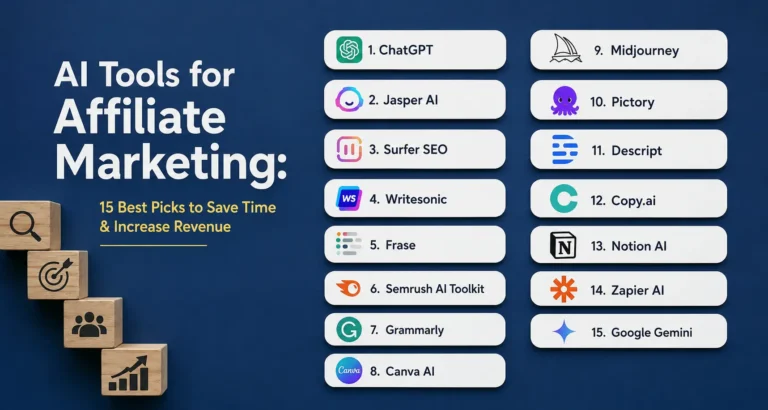
🔥 Read Next:: 12 Best Inbound Marketing Tools
Which Types of Backlinks Are Best for SEO?
The most valuable backlinks are those earned naturally from relevant, authoritative websites. Editorial backlinks consistently provide the strongest SEO value because they reflect genuine recommendations. Guest post backlinks remain effective when published on trusted niche websites with high editorial standards.
Digital PR campaigns and expert contributions can earn backlinks from respected publications, making them particularly valuable for authority building. Resource page backlinks also perform well because they connect users with genuinely helpful content.
Rather than chasing one backlink type, aim to build a diverse profile consisting primarily of high-quality, contextually relevant links. A natural backlink profile is far more sustainable than relying on a single acquisition method.
Which Backlinks Should You Avoid?
Not every backlink helps your website. Search engines have become highly effective at identifying manipulative link-building practices, and low-quality backlinks can do more harm than good.
Avoid purchasing backlinks from websites that exist solely to sell links or participate in private blog networks (PBNs). Automated link-building software, spam directories, excessive blog comment spam, and irrelevant forum links should also be avoided.
The safest approach is to prioritize relevance, editorial quality, and user value over the number of backlinks you acquire.
How to Build High-Quality Backlinks
Successful link building starts with creating content that people genuinely want to reference. Comprehensive guides, original research, industry statistics, and practical resources naturally attract more backlinks than thin or promotional pages.
Outreach also plays an important role. Building relationships with bloggers, journalists, and website owners can lead to guest posting opportunities, resource page mentions, and editorial coverage. Digital PR campaigns, expert contributions, and broken link building are also proven strategies for earning authoritative backlinks.
Instead of focusing on quick wins, invest in methods that continue generating value over time. Sustainable link building is built on trust, relevance, and helpful content.
Common Backlink Mistakes to Avoid
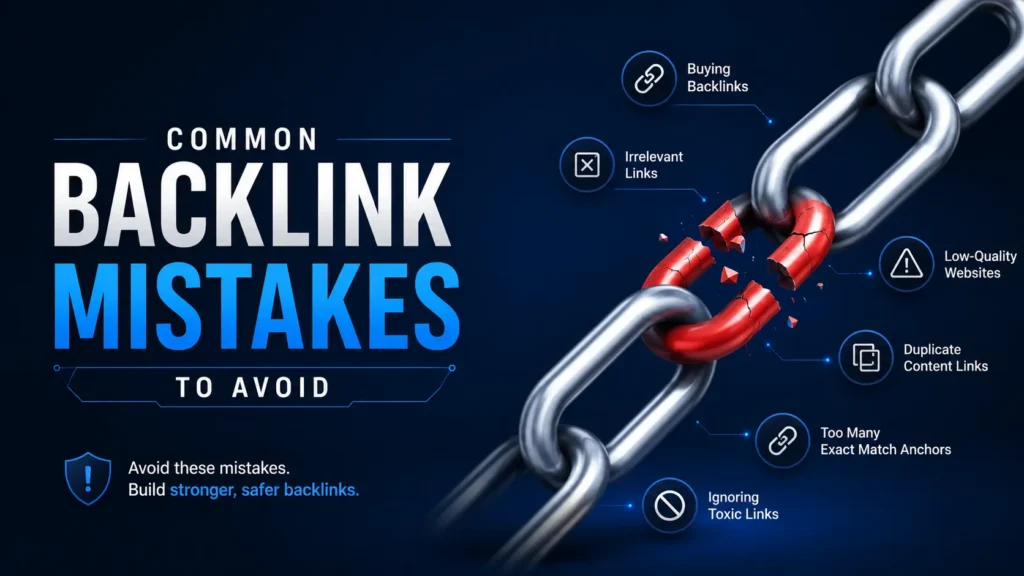
One of the biggest mistakes is prioritizing quantity over quality. Hundreds of weak backlinks rarely outperform a handful of authoritative, relevant ones.
Another common mistake is using the same keyword-rich anchor text repeatedly. A natural backlink profile includes branded, generic, and descriptive anchor texts rather than identical keywords.
Many website owners also ignore topical relevance. Even a high-authority backlink loses value if it comes from a completely unrelated niche. Building links gradually through ethical methods creates a healthier backlink profile and reduces the risk of search engine penalties.
Conclusion
Backlinks remain one of the most influential ranking factors in SEO, but their effectiveness depends on quality rather than quantity. Understanding the different types of backlinks helps you invest your time in strategies that improve authority, increase organic visibility, and support long-term growth.
Instead of pursuing every available link, focus on earning backlinks from trustworthy, relevant websites that genuinely enhance the user experience. A natural and diverse backlink profile not only strengthens your rankings but also builds lasting credibility for your brand.
FAQs
What are the main types of backlinks?
The most common types include editorial backlinks, guest post backlinks, niche edit backlinks, resource page backlinks, digital PR backlinks, business profile backlinks, directory backlinks, citation backlinks, and social profile backlinks. Each serves a different purpose and offers varying levels of SEO value.
Which type of backlink is the most valuable?
Editorial backlinks are generally considered the most valuable because they are earned naturally from authoritative websites that genuinely recommend your content. These links carry strong trust signals and often have the greatest impact on search rankings.
Are nofollow backlinks useful for SEO?
Yes. Although nofollow backlinks usually pass little or no link equity, they can increase brand exposure, drive referral traffic, diversify your backlink profile, and sometimes lead to valuable editorial backlinks.
How many backlinks do I need to rank?
There is no fixed number. Rankings depend on backlink quality, topical relevance, competition, content quality, and overall website authority. A few high-quality backlinks often outperform hundreds of low-quality ones.
Can low-quality backlinks hurt my website?
Yes. Backlinks from spammy, irrelevant, or manipulative websites can negatively affect your site’s credibility. Focusing on ethical, high-quality link-building practices is the best way to maintain a strong and sustainable SEO profile.
🎯 Learn what actually works. Follow Spy Growth.