

Best Marketing Tools for Photographers to Get More Clients in 2026
Photography is just one part of building a successful business. While capturing beautiful images helps you build a reputation, attracting new clients and keeping existing ones requires a solid marketing strategy. That means maintaining a professional website, staying active on social media, communicating with clients, and understanding which marketing efforts deliver results.
Trying to manage everything manually can quickly become overwhelming. Fortunately, today’s marketing tools help photographers simplify these tasks without sacrificing quality. From building an impressive online portfolio to automating email campaigns and improving search engine visibility, the right software can save hours of work while helping your business grow.
This guide explores the best marketing tools for photographers and explains how each category supports different stages of your marketing strategy. Whether you’re a wedding photographer, portrait specialist, commercial photographer, or just starting your business, these tools can help you attract more clients and create a stronger online presence.
Why Every Photographer Needs Marketing Tools
Running a photography business involves much more than taking photos. Clients expect a professional experience from their first website visit to the final image delivery. Marketing tools help you deliver that experience consistently while giving you more time to focus on your creative work.
One of the biggest advantages of using marketing software is automation. Instead of manually replying to every inquiry, scheduling each social media post, or tracking marketing campaigns in spreadsheets, you can let specialized tools handle many routine tasks. This improves efficiency without reducing the quality of your client interactions.
Marketing tools also help you stay visible in an increasingly competitive industry. According to Google, many customers begin their search for local services online, making a strong digital presence essential for photographers. A professional website, optimized content, and consistent social media activity make it easier for potential clients to discover your business when they need photography services.
Another important benefit is better decision-making. Modern marketing platforms provide valuable insights into website traffic, audience engagement, and campaign performance. Instead of relying on guesswork, you can make informed decisions based on real data and continuously improve your marketing strategy.
As your photography business grows, these tools become even more valuable by helping you manage more clients without dramatically increasing your workload.
Website & Portfolio Tools
Your website is often the first impression potential clients have of your business. Before someone contacts you, they usually browse your portfolio, read your service pages, and evaluate whether your style matches what they’re looking for. A well-designed website builds credibility and encourages visitors to book a session.
Modern website builders allow photographers to create attractive portfolios without advanced coding knowledge. Many platforms offer professionally designed templates specifically created for photographers, making it easy to showcase galleries, client testimonials, pricing information, and contact forms.
Besides appearance, your website should also perform well in search engines. Search engine optimization (SEO) helps your pages appear when people search for services such as wedding photography, family portraits, or commercial photography in their area. Choosing a website platform that supports customizable page titles, meta descriptions, image optimization, and mobile responsiveness gives you a strong SEO foundation.
Several platforms have become popular within the photography industry because they combine website creation with client galleries, image delivery, and booking features. Pixieset is widely recognized for its photographer-focused ecosystem, while Squarespace offers elegant templates and an easy editing experience. WordPress remains one of the most flexible options for photographers who want greater customization, and Wix provides an accessible solution for beginners looking to launch quickly.
Rather than choosing the platform with the longest feature list, focus on finding one that matches your technical skills, business goals, and long-term growth plans. A simple website that loads quickly and clearly communicates your services will often outperform a complicated site that frustrates visitors.
Social Media Management Tools
Social media has become one of the most effective ways for photographers to showcase their work, connect with potential clients, and strengthen their personal brand. Platforms like Instagram, Facebook, Pinterest, and even LinkedIn can generate valuable inquiries when managed consistently.
However, creating content is only one part of the process. Publishing regularly across multiple platforms can become time-consuming, especially when you’re balancing client shoots, editing sessions, and administrative work. Social media management tools simplify this process by allowing you to plan and schedule content in advance.
Instead of posting manually every day, you can organize your content calendar for an entire week or month. This creates consistency while reducing daily marketing tasks. Many scheduling platforms also recommend the best posting times based on audience activity, helping improve engagement without additional effort.
Analytics are another major advantage. Rather than guessing which posts perform best, these tools show how your audience interacts with your content. You can identify the types of photos, behind-the-scenes videos, educational tips, or client stories that generate the highest engagement and use those insights to refine your content strategy.
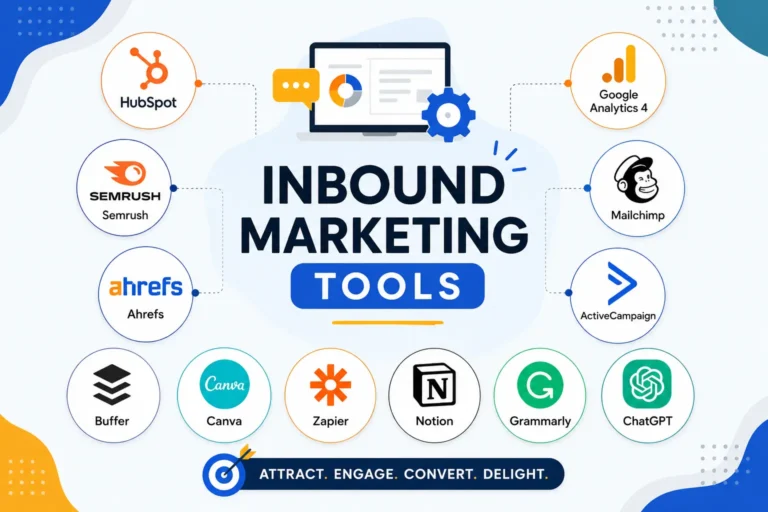
Popular solutions such as Buffer, Later, Hootsuite, and Metricool provide scheduling, analytics, and multi-platform publishing in one place. Each platform offers slightly different strengths, but they all help photographers maintain an active online presence without spending hours every day managing social media accounts.
Consistency matters far more than constant posting. A steady publishing schedule supported by reliable marketing tools keeps your photography business visible and helps build trust with both existing followers and potential clients.
Email Marketing Tools
Social media algorithms can change overnight, but your email list remains one of the few marketing channels you fully control. For photographers, email marketing provides a reliable way to stay connected with past clients, nurture new leads, and encourage repeat bookings throughout the year.
Many photography businesses underestimate the value of email because they focus primarily on social platforms. In reality, email remains one of the highest-ROI digital marketing channels. A well-timed newsletter promoting seasonal mini sessions, holiday offers, or limited booking availability can encourage past clients to book again because they already know and trust your work. Modern email marketing platforms make the process simple and efficient. Instead of sending individual messages manually, you can create automated email sequences that welcome new subscribers, follow up after inquiries, or thank clients after a completed session. Automation ensures timely communication while maintaining a personal feel.
Professional email software also provides insights into open rates, click-through rates, and subscriber engagement. These metrics help you understand which messages resonate with your audience and allow you to improve future campaigns over time.
Platforms such as Mailchimp, Kit, and MailerLite offer user-friendly templates, automation features, audience segmentation, and performance reporting suitable for photographers of all experience levels. Choosing one of these tools allows you to build stronger client relationships while creating additional opportunities for referrals and repeat business.
SEO & Keyword Research Tools
A beautiful photography website won’t generate consistent leads if potential clients can’t find it. That’s where search engine optimization (SEO) becomes essential. SEO helps your website appear when people search for services like wedding photographers, newborn photography, family portraits, or commercial photography in your area.
The foundation of SEO starts with understanding what your audience is searching for. Keyword research tools reveal the exact phrases people use, how often they search for them, and how competitive those keywords are. Instead of creating content based on assumptions, you can publish pages and blog posts that match real search intent.
SEO tools also help you identify content opportunities that your competitors may have overlooked. For example, local photography guides, location recommendations, seasonal photo session ideas, and photography planning tips often attract highly relevant visitors who are actively looking for photography services.
Monitoring your website’s performance is equally important. Google Search Console allows photographers to see which keywords generate traffic, how pages perform in search results, and whether technical issues are affecting visibility. Combining this data with professional SEO platforms gives you a clearer picture of where your website can improve.
Popular solutions like Google Search Console, Google Keyword Planner, Ahrefs, and Semrush provide valuable insights into keyword rankings, backlinks, technical SEO, and competitor analysis. You don’t need to master every feature immediately, but understanding how your website performs in search results can significantly improve your long-term marketing strategy.
SEO is not about tricking search engines. It’s about creating helpful content that answers the questions your potential clients are already asking. When your website consistently provides valuable information, both search engines and visitors reward that effort over time.
CRM & Client Management Tools
As your photography business grows, keeping track of inquiries, bookings, contracts, invoices, and client communication can become difficult without an organized system. A customer relationship management (CRM) platform helps bring all these activities together in one place.
Instead of searching through emails or spreadsheets, a CRM allows you to monitor every stage of the client journey. From the first inquiry to the final image delivery, everything remains organized and easy to access. This reduces missed opportunities while creating a smoother experience for both you and your clients.
Many CRM platforms also automate repetitive administrative tasks. Once a client books a session, the software can automatically send contracts, invoices, reminder emails, questionnaires, and payment confirmations. These automated workflows save valuable time while ensuring every client receives consistent communication.
Beyond organization, CRMs help strengthen client relationships. Recording important details such as anniversaries, preferred communication methods, previous sessions, or upcoming milestones allows photographers to deliver a more personalized experience. Small touches like these often encourage repeat bookings and referrals.
Several platforms are designed specifically for photographers. HoneyBook is known for its complete business management features, while Dubsado offers highly customizable workflows. Studio Ninja and Sprout Studio also combine booking management, contracts, invoicing, scheduling, and client communication into a single platform tailored to photography businesses.
A well-managed client experience often becomes one of your strongest marketing advantages. Happy clients are more likely to leave positive reviews, recommend your services, and return whenever they need professional photography again.
Graphic Design & Branding Tools
Your photography speaks for itself, but your branding influences how people remember your business. Every marketing material, from social media posts to pricing guides and promotional graphics, should present a consistent visual identity that reflects your style.
Graphic design tools make it easier to create professional marketing assets without hiring a designer for every project. Whether you’re announcing seasonal offers, promoting mini sessions, designing business cards, or creating Instagram stories, these platforms help maintain a polished and recognizable brand.
Consistency is especially important. Using the same fonts, colors, logo placement, and visual style across your website, social media, emails, and printed materials helps build trust with potential clients. People often associate a consistent brand with professionalism and reliability.
Modern design platforms also simplify content creation by offering ready-made templates that photographers can customize in minutes. Instead of designing everything from scratch, you can adapt layouts that match your branding while saving considerable time.
Canva has become one of the most widely used tools because of its ease of use and extensive template library. Adobe Express offers similar flexibility with tighter integration into Adobe’s creative ecosystem, while Adobe Photoshop remains the preferred choice for photographers who require advanced editing and design capabilities.
Strong branding doesn’t require complex designs. Clean, consistent visuals often leave a more lasting impression than overly complicated marketing materials.
Online Advertising Tools
Organic marketing builds long-term visibility, but paid advertising can generate results much faster when used strategically. For photographers looking to increase bookings during specific seasons or promote new services, online advertising provides an effective way to reach highly targeted audiences.
Google Ads helps photographers appear when people actively search for photography services. Someone searching for “wedding photographer near me” or “professional headshot photographer” already has clear intent, making search advertising particularly valuable for lead generation.
Social media advertising serves a different purpose. Platforms like Facebook and Instagram allow photographers to target audiences based on demographics, interests, behaviors, and location. This makes it possible to promote engagement sessions, family portraits, graduation photography, or holiday mini sessions to people most likely to book.
One of the biggest advantages of digital advertising is its measurable performance. You can monitor impressions, clicks, inquiries, booking requests, and return on investment in real time. Rather than relying on assumptions, advertising platforms provide detailed data that helps optimize campaigns continuously.
Successful advertising isn’t about spending the largest budget. It’s about reaching the right audience with compelling visuals, clear messaging, and a well-designed landing page that encourages visitors to take action.
Many photographers begin with modest advertising budgets while testing different campaigns. Over time, the data reveals which audiences, keywords, and promotions generate the highest-quality leads, allowing future campaigns to become even more effective.
Analytics & Performance Tracking Tools
Marketing becomes much more effective when decisions are based on data rather than guesswork. Analytics tools help photographers understand how visitors interact with their websites, which marketing channels generate the most inquiries, and where potential clients leave before completing a booking.
Website traffic alone doesn’t tell the full story. It’s equally important to understand how visitors navigate your pages, which portfolio galleries receive the most attention, and whether your contact forms encourage inquiries. These insights highlight opportunities to improve user experience and increase conversions.
Google Analytics 4 provides detailed information about website visitors, including where they come from, which pages they view, and how they interact with your content. This helps identify which marketing efforts deliver meaningful results instead of simply generating traffic.
Behavior analysis tools add another layer of understanding. Platforms like Microsoft Clarity and Hotjar use heatmaps and session recordings to show where users click, scroll, or encounter obstacles while browsing your website. Small improvements based on these insights can often lead to noticeable increases in inquiries and bookings.
The most successful photographers regularly review their marketing performance instead of assuming every campaign is working. Understanding your audience’s behavior allows you to invest more confidently in strategies that genuinely grow your business.
AI Marketing Tools for Photographers
Artificial intelligence has become a valuable assistant for photographers who want to market their business more efficiently. While AI can’t replace creativity or the personal connection clients expect, it can significantly reduce the time spent on repetitive marketing tasks.
One of the biggest advantages of AI tools is content creation. Instead of spending hours writing social media captions, blog outlines, email newsletters, or service descriptions, photographers can use AI to generate first drafts that they can personalize. This speeds up the creative process while allowing them to maintain their unique brand voice.
AI can also help with keyword research, content planning, and brainstorming new marketing ideas. For example, if you’re launching seasonal mini sessions or promoting a new photography niche, AI can suggest blog topics, frequently asked questions, and social media campaigns that align with what your audience is searching for.
Some design platforms have also integrated AI features that simplify graphic creation, image enhancement, and marketing asset production. These capabilities allow photographers to create promotional materials more quickly without sacrificing quality.
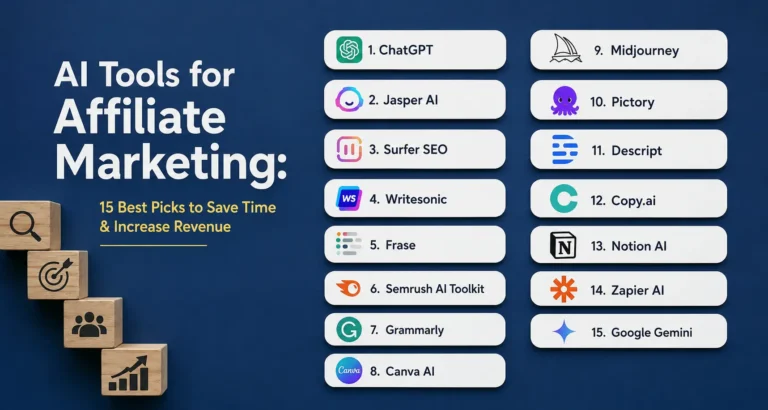
Popular AI tools such as ChatGPT, Jasper, and Copy.ai assist with content writing, while Canva Magic Studio combines AI-powered design features with easy-to-use templates for marketing materials.
Although AI offers impressive capabilities, it works best as a support tool rather than a replacement for human creativity. Clients choose photographers because of their artistic style, personality, and experience. AI can streamline your workflow, but authentic storytelling and genuine client relationships remain the foundation of successful marketing.
How to Choose the Right Marketing Tools for Your Photography Business

With so many marketing platforms available, it’s easy to feel overwhelmed. Fortunately, you don’t need to invest in every tool at once. The most effective approach is to build a marketing stack that supports your current business needs while leaving room for future growth.
Start by identifying your biggest challenge. If you’re struggling to attract visitors, focus on building a professional website and improving SEO. If managing inquiries takes too much time, a CRM platform may provide the greatest value. If your biggest goal is increasing brand awareness, social media management and email marketing tools should become your priority.
Your budget also plays an important role. Many platforms offer free plans or affordable entry-level subscriptions that provide more than enough functionality for solo photographers and small businesses. As your client base grows, you can upgrade to more advanced plans with additional automation and reporting features.
Integration is another factor worth considering. Marketing becomes much easier when your website, CRM, email marketing platform, scheduling software, and analytics tools work together. A connected system reduces manual work, minimizes errors, and creates a smoother experience for both you and your clients.
Ease of use should never be overlooked. The most powerful software won’t help your business if it’s too complicated to use consistently. Choose tools that fit your technical skill level and allow you to focus more on photography than software management.
Finally, remember that marketing tools are only as effective as the strategy behind them. Even the best software cannot replace valuable content, excellent customer service, and consistently delivering outstanding photography.
Conclusion
Building a successful photography business requires more than exceptional images. In today’s digital landscape, photographers also need a reliable marketing system that helps them attract new clients, strengthen their brand, and maintain long-term relationships with existing customers.
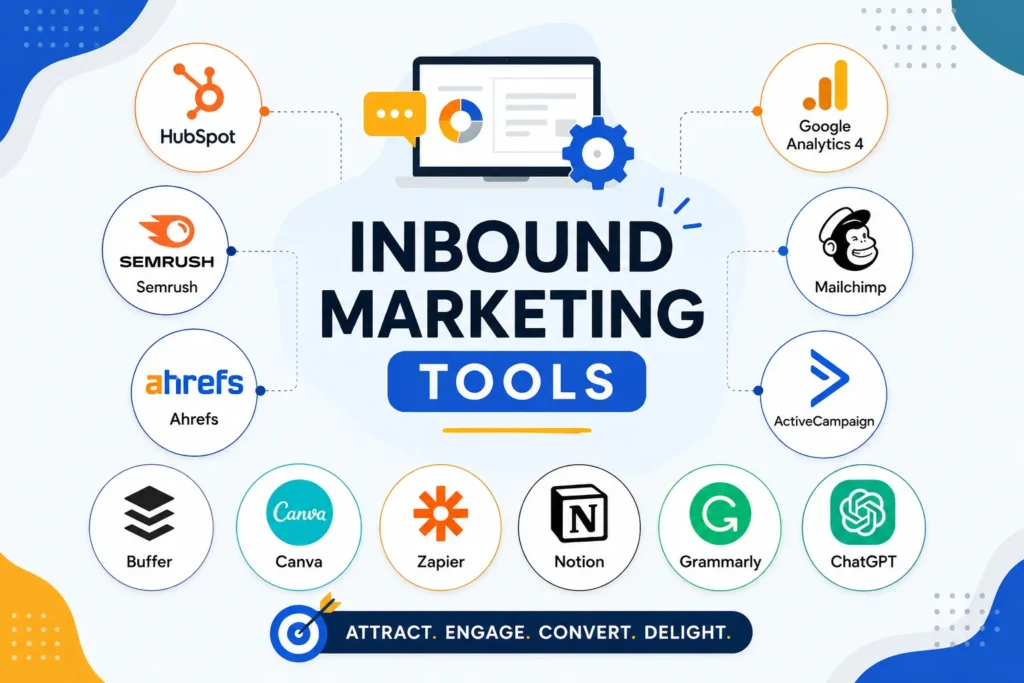
The best marketing tools for photographers simplify this process by handling tasks that would otherwise consume valuable time. A professional website showcases your portfolio, SEO tools improve your online visibility, social media platforms expand your reach, email marketing nurtures client relationships, CRMs organize your workflow, analytics reveal what’s working, and AI tools help you create content more efficiently.
Rather than trying to use every available platform, focus on selecting tools that solve your most important business challenges. As your photography business grows, your marketing system can grow alongside it, helping you work smarter instead of harder.
At the end of the day, software doesn’t replace talent, but it does make it easier for the right people to discover it. By combining the right marketing tools with consistent effort and exceptional client experiences, you’ll be in a much stronger position to build a recognizable brand and grow a sustainable photography business.
Frequently Asked Questions
What are the best marketing tools for photographers?
The best marketing tools for photographers depend on your goals, but a combination of a portfolio website, SEO software, social media management platform, email marketing service, CRM, analytics tools, and AI-powered content assistants provides a strong foundation for growing a photography business.
Which free marketing tools should photographers use?
Photographers can start with free tools like Google Search Console, Google Analytics 4, Google Keyword Planner, Canva’s free plan, Buffer’s free scheduling option, and Mailchimp’s free email marketing plan. These tools provide valuable features without requiring a significant investment.
Do photographers really need SEO tools?
Yes. SEO tools help photographers understand what potential clients are searching for, optimize their websites for search engines, monitor keyword rankings, and identify opportunities to improve online visibility. Better SEO can lead to more organic traffic and qualified inquiries.
What is the best CRM for photographers?
HoneyBook, Dubsado, Studio Ninja, and Sprout Studio are among the most popular CRM platforms for photographers. They help manage inquiries, bookings, contracts, invoices, scheduling, and client communication from a single dashboard.
Can AI help photographers with marketing?
Absolutely. AI can assist photographers by generating blog drafts, social media captions, email campaigns, keyword ideas, and content plans. While it saves time and improves productivity, the final content should always be reviewed and personalized to reflect your unique brand voice.
🔷 Better content starts here. Follow Spy Growth.