
Small Business Marketing Tips 2026: 15 Proven Strategies to Grow Faster
Running a small business has never been more exciting or more competitive. In 2026, customers have countless options, AI-powered search tools are changing how people discover businesses, and expectations for online experiences continue to rise. Simply having a website or posting on social media is no longer enough to stand out.
The businesses seeing consistent growth are taking a different approach. Instead of trying every new marketing trend, they’re building trust, creating valuable content, optimizing for search, and focusing on long-term customer relationships. These strategies don’t just generate traffic, they attract people who are genuinely interested in buying.
Whether you’re launching a new business or looking to improve your existing marketing efforts, this guide will help you understand what actually works in 2026. You’ll learn actionable strategies to improve visibility, build brand authority, and turn visitors into loyal customers.
Why Small Business Marketing Is Different in 2026
AI Is Changing How Customers Discover Businesses
The customer journey has changed dramatically over the past few years. People still use search engines like Google, but they also rely on AI-powered assistants and conversational search tools to find recommendations, compare products, and answer questions.
This shift means businesses can no longer rely on keyword stuffing or outdated SEO tactics. Instead, your content needs to answer real questions, demonstrate expertise, and provide useful information that both search engines and AI systems recognize as trustworthy.
Businesses that consistently publish helpful, accurate, and experience-driven content are far more likely to appear wherever customers search.
Search Is No Longer Limited to Google
Modern customers move between multiple platforms before making a purchase. They might discover your brand through Google, verify your reputation on social media, watch product demonstrations on YouTube, or ask an AI assistant for recommendations.
Because of this, successful marketing is no longer about optimizing a single channel. Your website, social profiles, online reviews, and content all work together to build credibility.
A consistent online presence also improves brand recognition. When potential customers encounter the same professional messaging across different platforms, they’re more likely to trust your business and remember your brand.
Trust Has Become Your Biggest Competitive Advantage
Customers have become more selective about where they spend their money. They look for businesses that appear reliable, transparent, and knowledgeable before making a purchase.
Simple trust signals can make a significant difference. Positive customer reviews, detailed product or service pages, clear contact information, secure websites, and authentic educational content all help reduce uncertainty.
Instead of focusing only on selling, successful businesses focus on solving problems first. When customers feel understood and informed, they’re naturally more comfortable buying from you.
Build a Strong Brand Before You Market
Define What Makes Your Business Different
Marketing becomes much easier when people immediately understand why they should choose your business.
Start by identifying your unique value proposition. Ask yourself what problem you solve better than competitors, who benefits most from your products or services, and why customers continue choosing your business over alternatives.
Your messaging should be simple enough that someone can understand your value within seconds of visiting your website. Avoid generic claims like “best quality” or “excellent service.” Instead, explain the specific benefit customers receive by working with you.
A clear value proposition also creates consistency across your marketing campaigns, making every piece of content reinforce the same message.
Understand Your Ideal Customer
Trying to market to everyone usually results in connecting with no one.
Successful small businesses spend time understanding their ideal customers before investing in marketing campaigns. They learn about customer goals, challenges, purchasing behavior, and the questions people ask before making a decision.
This understanding influences everything from your website copy to your blog content, email campaigns, and social media strategy.
When your marketing speaks directly to a customer’s needs, it feels personal rather than promotional. That connection often leads to higher engagement and stronger conversion rates.
Keep Your Branding Consistent Everywhere
Consistency builds familiarity, and familiarity builds trust.
Your website, social media profiles, emails, advertisements, and other marketing materials should all reflect the same visual identity and tone of voice. Customers shouldn’t feel like they’re interacting with different businesses on different platforms.
This doesn’t mean every post must look identical. Instead, maintain consistent messaging, colors, logos, typography, and overall brand personality.
Over time, this consistency strengthens brand recognition and makes your business easier to remember.
Create a Website That Converts Visitors Into Customers
Prioritize Speed and Mobile Experience
Your website is often the first interaction customers have with your brand. If it loads slowly or performs poorly on mobile devices, visitors may leave before exploring your products or services.
A fast, responsive website improves user experience while also supporting better search visibility. Navigation should be intuitive, pages should load quickly, and important information should always be easy to find.
As mobile usage continues to grow, designing for smaller screens is no longer optional. Every page should provide the same seamless experience regardless of the device being used.
Write Clear Calls-to-Action
Even the most informative website won’t generate results if visitors don’t know what to do next.
Every important page should guide users toward a specific action. Depending on your business, this could involve requesting a quote, scheduling a consultation, purchasing a product, subscribing to a newsletter, or contacting your team.
Effective calls-to-action are direct, benefit-focused, and strategically placed throughout the page instead of appearing only at the bottom.
Small improvements to your messaging can significantly increase conversion rates over time.
Build Pages Around Customer Intent
Every page on your website should serve a clear purpose.
Instead of filling pages with broad marketing language, create content that answers the questions customers have at each stage of their buying journey. Someone researching a solution needs educational information, while someone ready to purchase needs reassurance, pricing details, testimonials, and an easy way to take action.
Aligning your content with customer intent creates a smoother experience and increases the likelihood of conversions.
A website designed around user needs also performs better in search because it delivers the kind of information people are actively looking for.
Make Trust Visible Throughout Your Website
Visitors decide within moments whether a business appears credible.
Showcase authentic customer testimonials, highlight industry certifications where applicable, display secure payment options, and make your contact information easily accessible. If you’ve worked with recognizable clients or received positive media coverage, include those trust signals where they naturally support your message.
Transparency matters just as much. Clearly explain your services, pricing, policies, and business details to build trust and help visitors take the next step.
When trust is integrated into every stage of the customer journey, your website becomes more than an online brochure, it becomes a reliable sales tool that works around the clock.
Focus on SEO That Drives Long-Term Traffic
Target Keywords That Match Search Intent
Search engine optimization remains one of the most cost-effective marketing strategies for small businesses in 2026. While paid advertising can generate immediate traffic, SEO helps you attract qualified visitors consistently without paying for every click.
The key is choosing keywords that reflect what your audience is actually searching for. Instead of targeting broad, highly competitive terms, focus on specific topics that align with your products, services, and customer questions.
For example, a local accounting firm is more likely to benefit from creating content around “tax planning for freelancers” than trying to rank for the highly competitive keyword “accounting.” Content that closely matches user intent typically earns better engagement, stronger rankings, and higher conversion rates.
As search engines continue prioritizing helpful content, relevance matters far more than keyword density. Write naturally, answer questions thoroughly, and use related terms throughout your content to help search engines understand the topic.
Optimize for AI Search Experiences
Traditional search is no longer the only way people discover information. AI-powered search assistants now summarize answers, recommend businesses, and guide purchasing decisions using information gathered from trusted online sources.
This shift makes high-quality content more valuable than ever.
Create pages that answer common customer questions clearly and directly. Use descriptive headings, explain concepts in simple language, and support important claims with accurate information. Content that demonstrates expertise and provides genuine value has a better chance of being surfaced by both search engines and AI-driven platforms.
Fresh content also plays an important role. Updating important pages with new statistics, examples, or industry developments helps keep your website relevant as customer needs evolve.
Build Authority Through Quality Backlinks
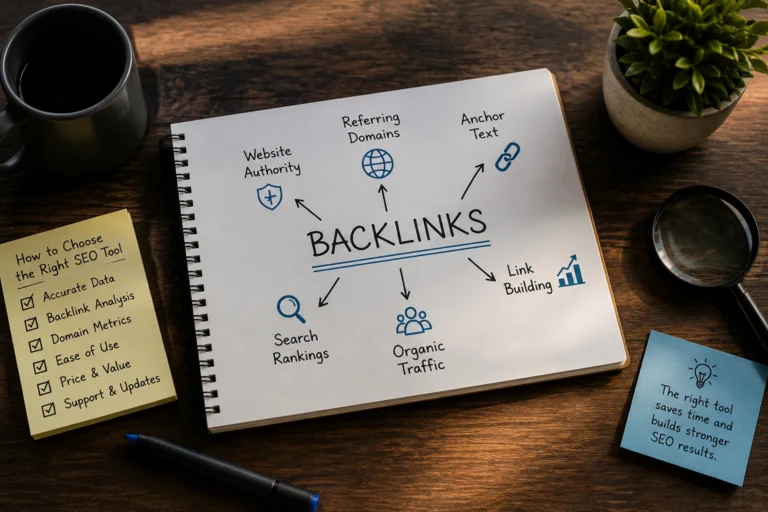
Search engines continue using backlinks as an important indicator of credibility. When respected websites link to your content, they signal that your business provides valuable information.
However, quality matters much more than quantity.
A handful of relevant links from trusted industry websites often provide more value than dozens of low-quality links from unrelated sources. Guest posting, publishing original research, sharing expert insights, and building relationships within your industry remain effective ways to earn natural backlinks.
The goal isn’t simply increasing your link count. It’s establishing your business as a trusted source that others genuinely want to reference.
Invest in Content Marketing
Create Content That Solves Real Problems
Content marketing works because it helps customers before asking them to make a purchase.
Instead of publishing articles solely to rank for keywords, focus on answering the questions your audience asks every day. Helpful guides, tutorials, case studies, comparisons, and educational resources position your business as a reliable source of information.
When customers consistently learn something useful from your content, they begin associating your brand with expertise and trust. That relationship often influences purchasing decisions long before someone contacts your business.
High-quality content also supports every other marketing channel by providing valuable material to share through email, social media, and search.
Build Topical Authority Over Time
Publishing one excellent article isn’t enough to establish authority.
Successful businesses develop content around related topics that reinforce one another. A company selling accounting software, for example, might create articles about bookkeeping, tax preparation, financial reporting, expense management, and business budgeting.
This interconnected approach helps search engines understand your expertise while making it easier for readers to explore additional resources.
As your content library grows, your website becomes a comprehensive resource rather than a collection of isolated blog posts.
Repurpose Content Across Multiple Channels
Creating valuable content requires time and effort, so maximize its impact.
A detailed blog article can become a LinkedIn post, an email newsletter, a short video, several social media updates, or even a podcast discussion. Repurposing allows you to reach different audiences without constantly creating new material from scratch.
Consistency across channels also reinforces your messaging. Customers who encounter your insights multiple times are more likely to remember your business when they’re ready to make a purchase.
Use Social Media Strategically
Focus on Platforms That Matter Most
Many small businesses waste valuable time trying to stay active on every social media platform.
A more effective strategy is identifying where your target audience spends their time and concentrating your efforts there. B2B companies often achieve better results through LinkedIn, while visually driven businesses may benefit more from Instagram or Pinterest. Local businesses frequently see strong engagement through Facebook communities and neighborhood groups.
Choosing fewer platforms allows you to publish consistently while maintaining higher content quality.
Build Relationships Instead of Chasing Followers
Follower count is often treated as the primary measure of success, but engagement tells a much more meaningful story.
Responding to comments, answering questions, participating in discussions, and sharing customer success stories creates stronger relationships than simply broadcasting promotional messages.
People are more likely to support businesses that interact authentically with their audience.
Over time, these conversations build trust, encourage referrals, and strengthen customer loyalty.
Let Your Customers Tell Your Story
One of the most persuasive marketing assets is customer-generated content.
Reviews, testimonials, product photos, and real success stories provide social proof that traditional advertising cannot replicate. Prospective customers naturally trust recommendations from other buyers because they feel more authentic and unbiased.
Encouraging satisfied customers to share their experiences also creates a steady stream of fresh content that strengthens your brand’s credibility.
Build an Email Marketing Funnel
Turn Website Visitors Into Subscribers
Not every visitor is ready to buy immediately, but that doesn’t mean the opportunity is lost.
Email marketing allows you to stay connected with potential customers after they leave your website. Offering valuable resources, exclusive insights, or useful updates encourages visitors to subscribe and continue engaging with your business.
A growing email list becomes one of your most valuable marketing assets because you own the relationship rather than relying on changing social media algorithms.
Deliver Value Before Selling
Successful email marketing isn’t built on constant promotions.
Subscribers remain engaged when emails educate, solve problems, or share relevant industry insights. Businesses that consistently provide value naturally earn more trust and higher open rates.
When promotional offers are eventually introduced, they feel like helpful recommendations instead of unwanted advertisements.
This balance strengthens long-term customer relationships while supporting consistent sales growth.
Automate Customer Communication
Marketing automation helps small businesses remain responsive without increasing their workload.
Automated welcome emails, follow-up sequences, abandoned cart reminders, appointment confirmations, and customer onboarding campaigns ensure timely communication throughout the customer journey.
Automation doesn’t replace personalization, it enhances it by delivering the right message at the right time.
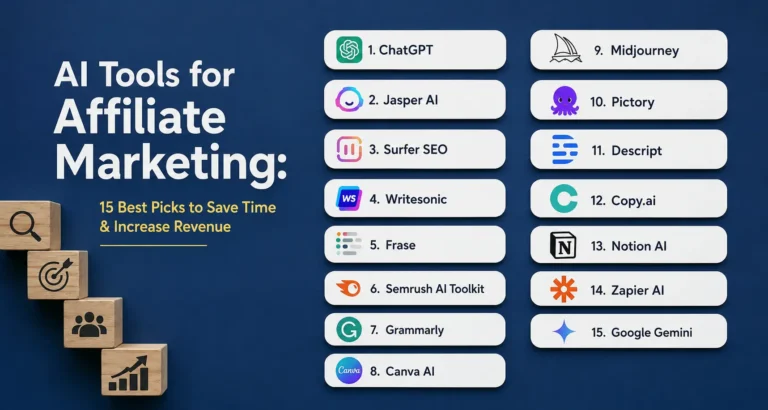
Leverage AI Marketing Tools
Improve Productivity Without Losing Authenticity
Artificial intelligence has become an essential marketing assistant rather than a replacement for human creativity.
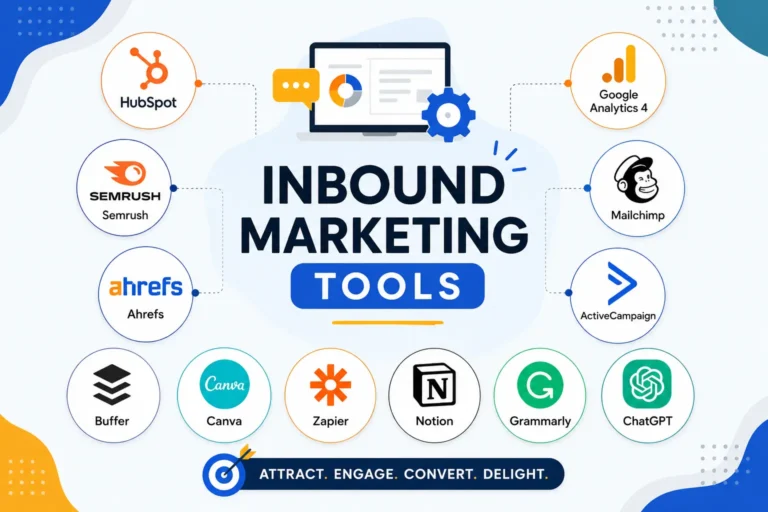
AI tools can help generate content ideas, organize research, analyze customer behavior, draft marketing copy, and automate repetitive tasks. This allows small business owners to spend more time on strategy, customer relationships, and business growth.
The best results come from combining AI efficiency with human expertise. Every piece of content should still reflect your brand voice, industry knowledge, and unique perspective.
Use Data to Make Better Decisions
AI-powered analytics can identify patterns that would otherwise take hours to uncover.
From predicting customer preferences to identifying high-performing marketing campaigns, these insights allow businesses to allocate resources more effectively.
Instead of relying on assumptions, you can make decisions based on real customer behavior and measurable performance.
Businesses that regularly analyze their marketing data are often able to improve results while reducing unnecessary spending.
Keep the Customer Experience Personal
As AI becomes more common, authentic human interaction becomes even more valuable.
Use automation to improve efficiency, but never allow it to replace genuine customer service. Personalized responses, thoughtful communication, and real expertise continue to distinguish successful small businesses from competitors.
Technology should support relationships, not replace them.
Strengthen Local Marketing
Optimize Your Google Business Profile
For businesses that serve a specific city or region, local marketing remains one of the fastest ways to attract qualified customers. Many people searching for nearby services already have strong purchase intent, making local visibility incredibly valuable.
A complete and up-to-date Google Business Profile helps your business appear in local search results and Google Maps. Keep your business hours, contact information, website, and service details accurate at all times. Adding high-quality photos and regularly posting updates also signals that your business is active and trustworthy.
Local visibility isn’t just about rankings. It’s about making it easy for potential customers to find, evaluate, and contact your business when they’re ready to make a decision.
Encourage Customer Reviews
Online reviews influence purchasing decisions more than ever. Before choosing a product or service, many customers compare ratings and read recent experiences shared by others.
Ask satisfied customers to leave honest reviews after completing a purchase or project. Respond professionally to both positive and negative feedback, showing that your business values customer experiences and continuously works to improve.
Authentic reviews not only build credibility but also strengthen your local search presence, making it easier for new customers to discover your business.
Improve Your Local SEO Strategy
Local SEO goes beyond optimizing your Google Business Profile.
Include location-specific pages on your website if you serve multiple areas, naturally mention relevant locations throughout your content, and maintain consistent business information across online directories. Local partnerships, community involvement, and mentions from regional websites can also improve your online authority.
The goal is to help search engines clearly understand where you operate and which customers your business serves.
Measure and Improve Your Marketing Performance
Focus on Metrics That Matter
Marketing becomes more effective when every decision is backed by data.
Instead of concentrating only on website traffic or social media followers, measure the metrics that directly impact business growth. Qualified leads, conversion rates, customer acquisition cost, email engagement, and customer lifetime value provide a much clearer picture of marketing performance.
These insights help identify which strategies deserve more investment and which ones need improvement.
Understand Customer Behavior
Analytics tools reveal much more than visitor numbers.
You can see which pages attract the most attention, where visitors leave your website, how they navigate through your content, and which marketing channels generate the highest-quality leads.
Understanding these patterns helps you remove friction from the customer journey. Even small improvements such as simplifying navigation or improving page content can significantly increase conversions over time.
Keep Testing and Refining
There is no single marketing strategy that works forever.
Consumer behavior changes, search algorithms evolve, and new technologies continue to reshape the digital landscape. Businesses that regularly test headlines, landing pages, email campaigns, pricing strategies, and calls-to-action are more likely to discover opportunities for continuous improvement.
Consistent optimization is often what separates businesses that maintain steady growth from those that struggle to keep pace with competitors.
Common Small Business Marketing Mistakes to Avoid
Many small businesses don’t struggle because they lack marketing opportunities. They struggle because they spread their efforts too thin.
Trying every new platform, trend, or marketing tactic often leads to inconsistent execution and disappointing results. It’s usually far more effective to master a few proven channels than to maintain a weak presence everywhere.
Another common mistake is treating SEO as a one-time task. Search optimization requires ongoing content updates, technical improvements, and authority building. Businesses that consistently invest in SEO typically gain stronger long-term visibility than those relying only on paid advertising.
Many companies also overlook the importance of tracking performance. Without measuring results, it’s impossible to know which campaigns generate real business growth and which consume valuable resources without delivering meaningful returns.
Perhaps the biggest mistake is focusing exclusively on selling. Customers rarely build lasting relationships with businesses that only promote products. Brands that educate, solve problems, and provide genuine value create stronger trust, higher customer loyalty, and more referrals over time.
Conclusion
Small business marketing in 2026 is no longer about being present on every platform or chasing the latest trend. Success comes from understanding your customers, building trust, and consistently delivering value across every stage of the buyer’s journey.
A strong brand, a high-performing website, effective SEO, helpful content, strategic social media, personalized email marketing, AI-powered efficiency, and local visibility all work together to create sustainable growth. None of these strategies deliver overnight results, but together they build a marketing foundation that becomes stronger over time.
The most successful small businesses aren’t necessarily the ones with the largest budgets. They’re the ones that remain consistent, adapt to changing customer behavior, and continuously improve based on real data.
Start by implementing one strategy exceptionally well rather than trying to do everything at once. As your marketing becomes more focused and customer-centric, you’ll build stronger relationships, attract better-qualified leads, and create long-term growth that continues well beyond 2026.
Frequently Asked Questions
What is the best marketing strategy for small businesses in 2026?
There isn’t a single strategy that works for every business. The most effective approach combines SEO, valuable content, email marketing, social media engagement, and a strong online presence. Businesses that consistently educate their audience while building trust tend to achieve the best long-term results.
Is SEO still worth investing in during 2026?
Yes. SEO remains one of the highest-return marketing channels because it attracts people actively searching for solutions. Optimizing for both traditional search engines and AI-powered search can drive sustainable organic traffic for years to come.
How can a small business market itself with a limited budget?
Focus on cost-effective strategies that provide lasting value. Publishing helpful content, improving local SEO, building an email list, encouraging customer reviews, and maintaining an optimized website often produce better long-term returns than relying solely on paid advertising.
How is AI changing small business marketing?
AI helps businesses streamline content creation, analyze customer behavior, automate repetitive tasks, and improve marketing efficiency. However, the strongest results come from combining AI with authentic human expertise, creativity, and personalized customer experiences.
What Is the Typical Timeline for Small Business Marketing Results?
The timeline depends on the strategy. Paid advertising can produce immediate visibility, while SEO, content marketing, and brand building typically require several months of consistent effort. Businesses that remain patient and continuously optimize their marketing usually achieve stronger and more sustainable growth over time.
💡 Learn today. Rank tomorrow. Follow Spy Growth.